Inspection & Compliance Blog
News, guidance and practical notes from Lee Charnock, who carries out every Safe-Lee inspection across Manchester and the North West.
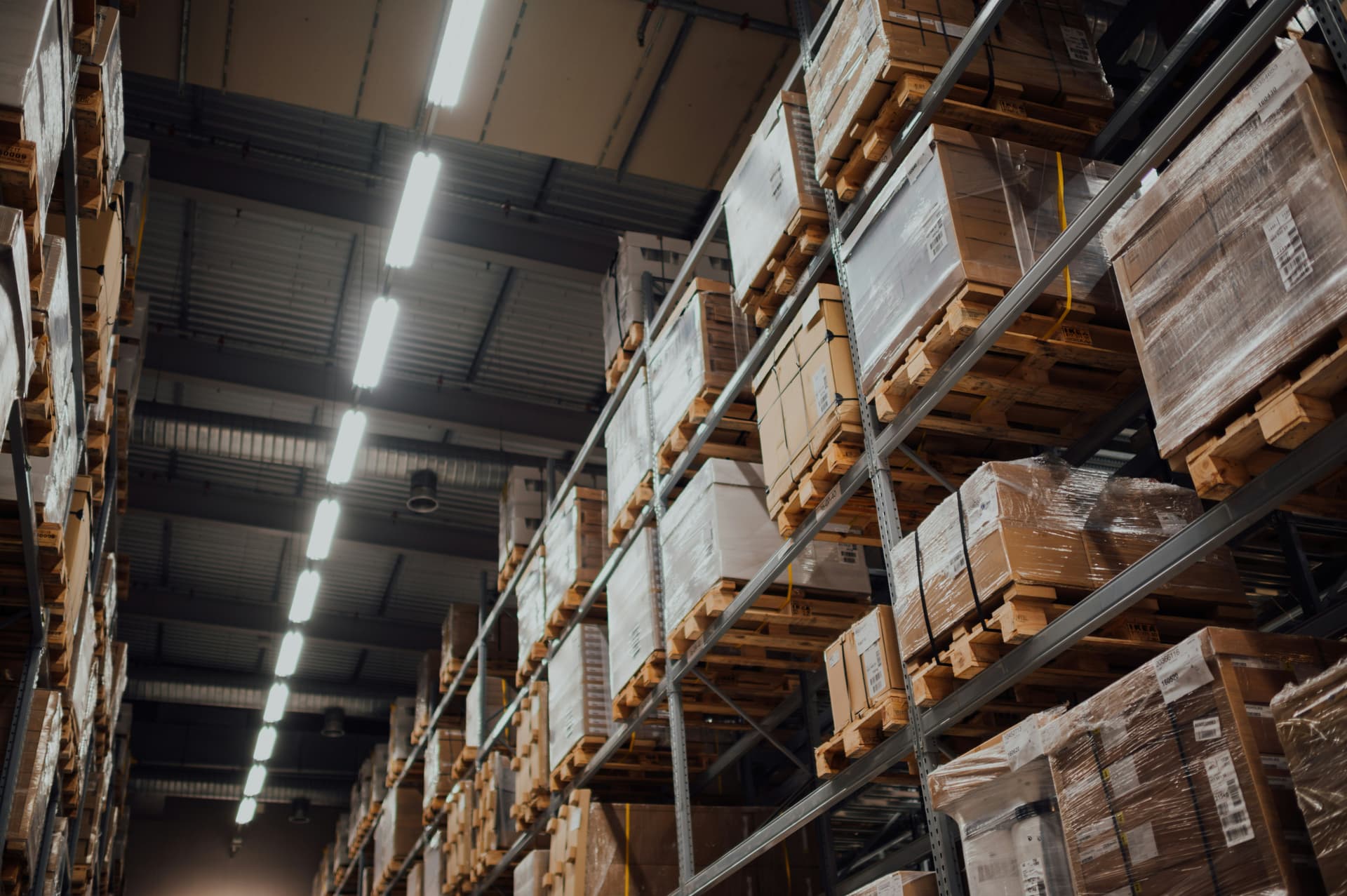
Statutory Inspections for Warehousing and Logistics
Warehouses run equipment under four inspection regimes at once. Learn what needs thorough examination, at what intervals, and which items get missed.
Read article
Statutory Inspections for Care Homes: What Applies and How Often
Care homes sit under several inspection regimes at once. Learn which equipment needs thorough examination, at what intervals, and what records to keep.
Read article
What Does PSSR Stand For?
What does PSSR stand for? Learn when the Pressure Systems Safety Regulations apply and what written schemes and examinations are required.
Read article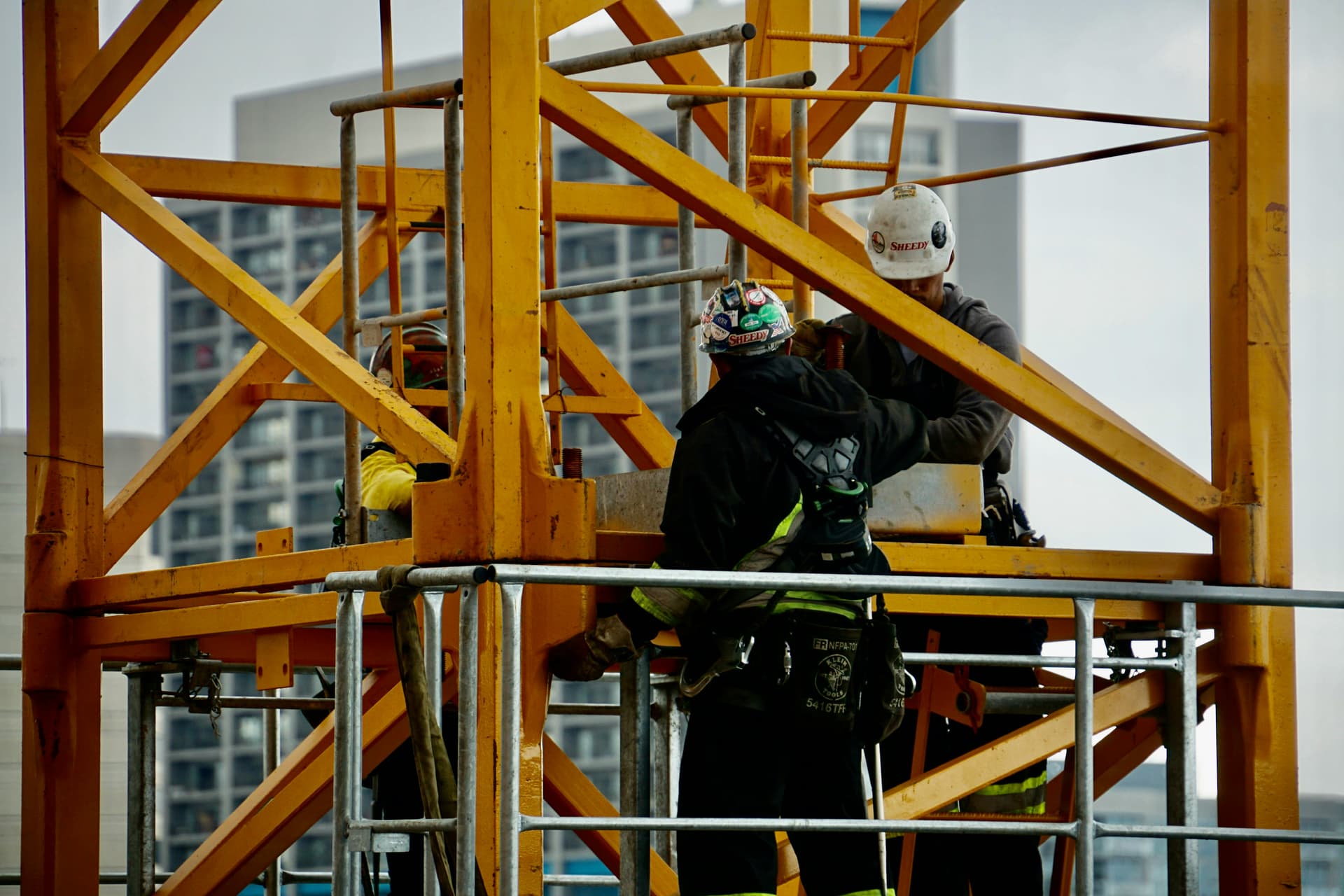
What Does WAHR Stand For?
What does WAHR stand for? Learn what the Work at Height Regulations require, who has duties and when equipment must be inspected.
Read article
How Often Should LEV Be Inspected and Tested?
How often should LEV be inspected? Learn the 14-month rule, shorter COSHH intervals, routine checks, testing requirements and record duties.
Read article
LOLER and PUWER: What Is the Difference?
LOLER and PUWER apply to most workplace lifting equipment. Learn the difference between their duties, inspections, reports and examination intervals.
Read article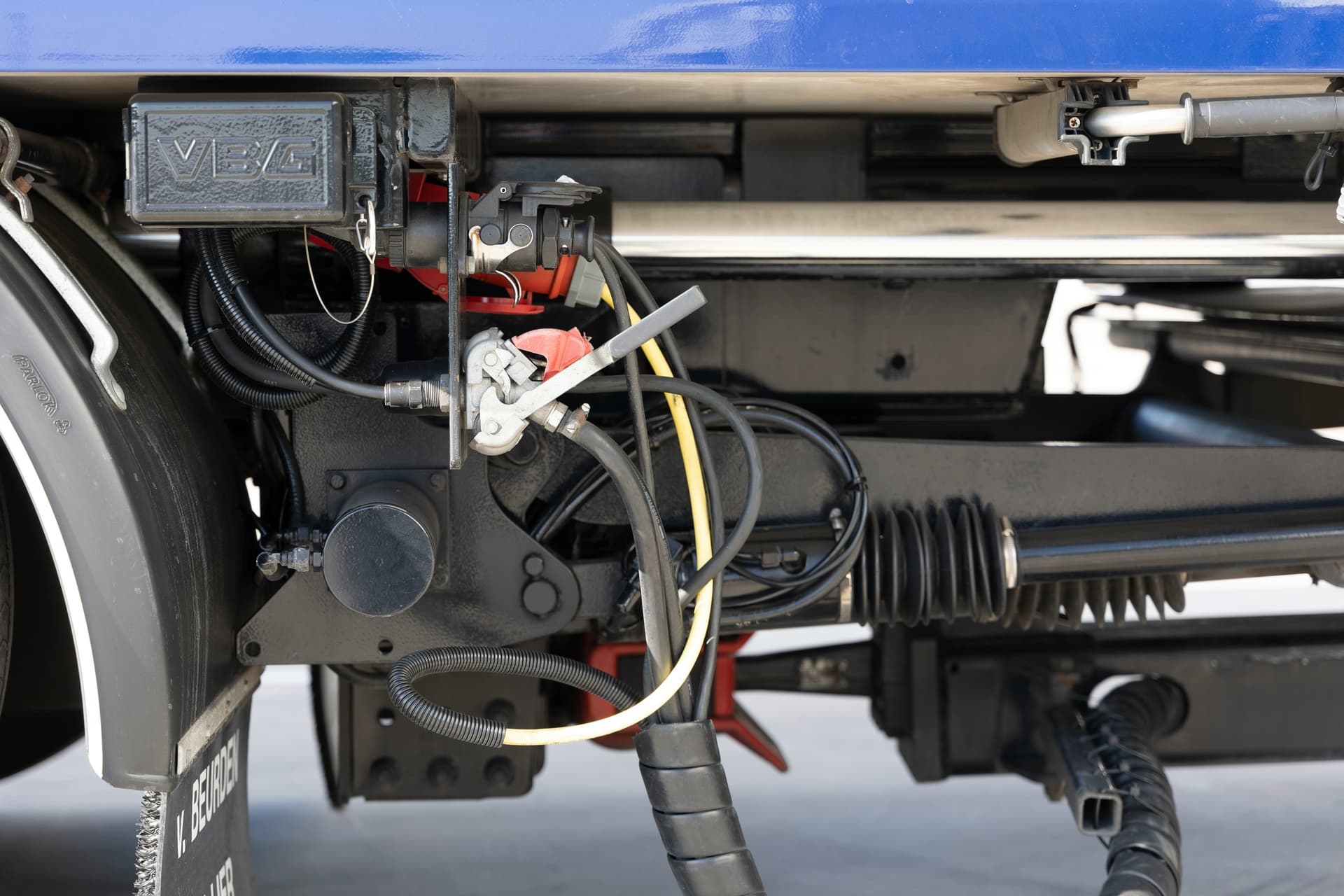
How Often Should a Tail Lift Be Inspected?
How often should a tail lift be inspected? Learn the LOLER intervals, when six-monthly checks apply and why servicing is not enough.
Read article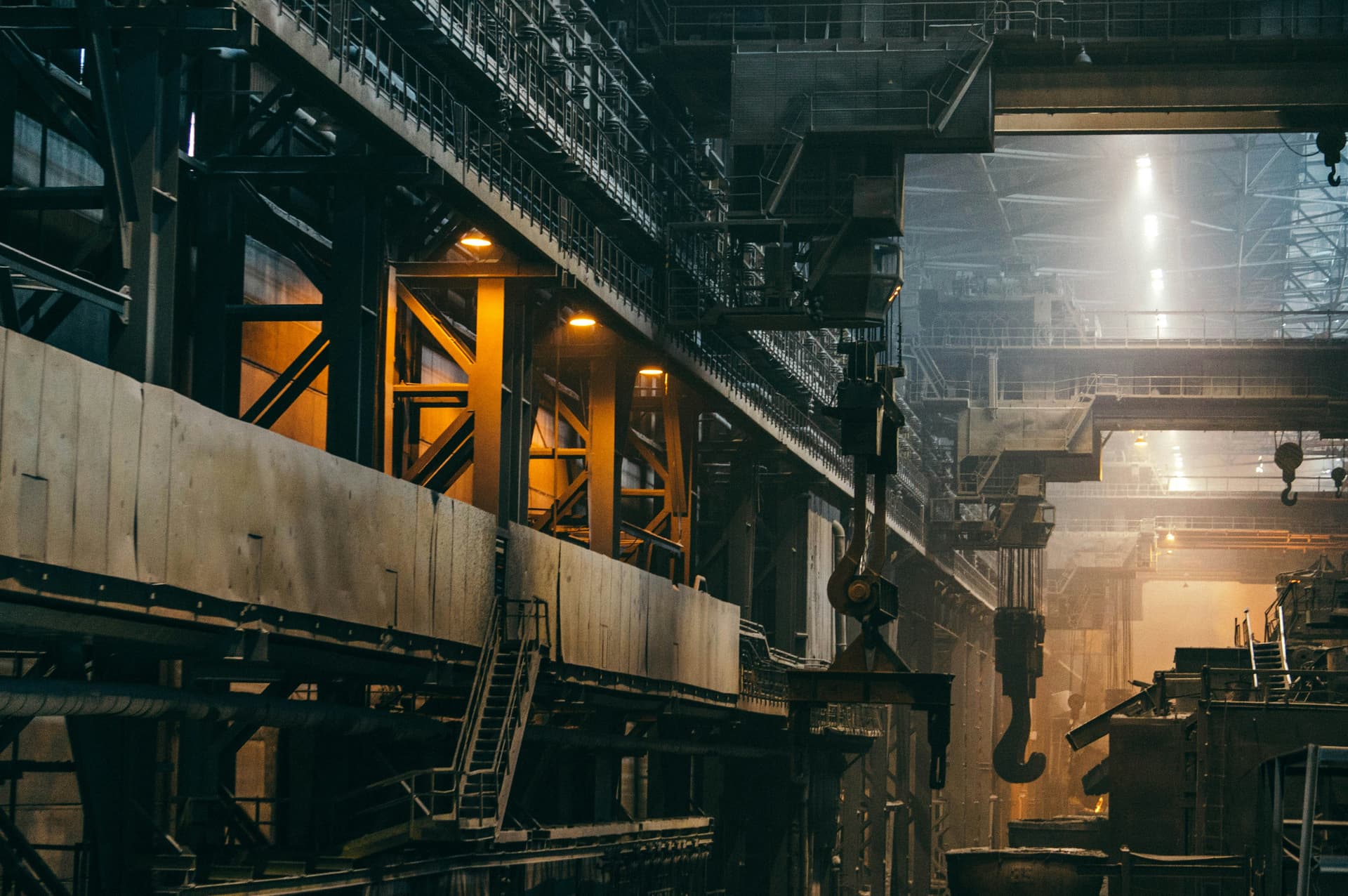
What Is the Purpose of a PUWER Inspection?
What is the purpose of a PUWER inspection? Learn when equipment needs inspection, what should be checked and how inspections support compliance.
Read article
What Is a PUWER Register?
What is a PUWER register, and is one legally required? Learn what to record, how long to retain inspection results and how to manage defects.
Read article
Looking for the regulations in detail? Our inspection & compliance guides cover LOLER, PSSR, PUWER, WAHR and COSHH LEV: intervals, what a competent person checks, and what drives the cost.