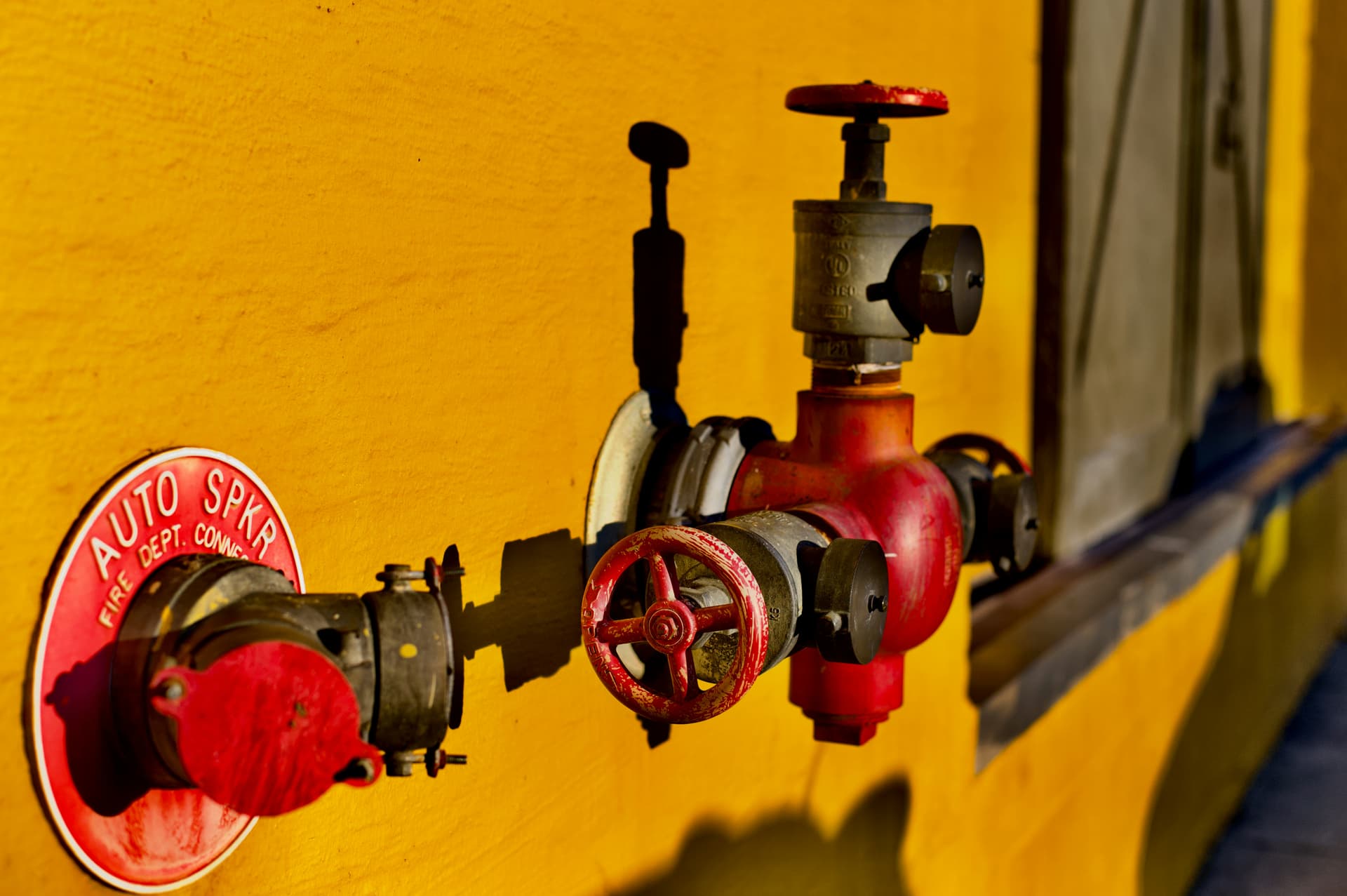
What does PSSR stand for? PSSR stands for the Pressure Systems Safety Regulations 2000. The regulations apply to certain pressure systems used at work and are intended to prevent serious injury resulting from the release of stored energy following the failure of a pressure system or one of its components.
Where the relevant requirements apply, the user or owner must know the system’s safe operating limits, ensure that a suitable written scheme of examination is in place and arrange examinations by a competent person.
PSSR does not mean that every item containing liquid, air or hydraulic pressure requires the same statutory examination. Whether the regulations apply depends on the type of system, the fluid, pressure, equipment configuration and any applicable exclusions.
What is the meaning of PSSR?
PSSR is the commonly used abbreviation for the Pressure Systems Safety Regulations 2000.
The regulations came into force in Great Britain on 21 February 2000, replacing earlier pressure-system legislation. They establish duties relating to the design, installation, operation, maintenance and examination of pressure systems used at work.
The principal danger addressed by PSSR is stored energy. If a pressurised vessel, pipe or protective device fails, the sudden release can cause:
-
blast effects
-
flying fragments
-
impact injuries
-
structural damage
-
release of steam or hot fluid
-
burns
-
asphyxiation
-
harmful release of process substances
-
secondary fires or explosions
-
damage to nearby machinery and buildings
The regulations focus primarily on the risk caused by pressure-system failure rather than every possible hazard associated with the substance contained.
The HSE’s PSSR overview explains that the aim is to prevent serious injury arising from the hazard of stored energy when a pressure system or component fails.
What is a pressure system under PSSR?
PSSR defines a pressure system as:
-
a system comprising one or more pressure vessels of rigid construction, associated pipework and protective devices
-
pipework and protective devices to which a transportable pressure receptacle is or is intended to be connected
-
a pipeline and its protective devices
The system may therefore include more than the pressure vessel itself.
Depending on its design and configuration, relevant components can include:
-
air receivers
-
boilers
-
steam vessels
-
pressure vessels
-
compressors
-
pipework
-
pipelines
-
pressure gauges
-
safety valves
-
bursting discs
-
pressure switches
-
control devices
-
isolating valves
-
connections
-
fittings
-
heat exchangers
-
separators
-
filters
-
dryers
-
protective devices
The precise boundaries of a pressure system should be established before deciding which components must be included in a written scheme of examination.
What is a relevant fluid?
For PSSR to apply, the system will normally need to contain or be intended to contain a relevant fluid.
Relevant fluids include:
-
steam at any pressure
-
compressed or liquefied gas, including air, at a pressure greater than 0.5 bar above atmospheric pressure
-
pressurised hot water above 110°C
-
gas dissolved under pressure in a solvent, such as acetylene
The 0.5 bar threshold applies to gas pressure above atmospheric pressure. It should not be treated as a universal threshold for every type of pressure system or fluid.
The substance is considered in the condition in which it exists within the system. A material that would normally be a liquid may behave differently at the operating temperature and pressure.
Where there is uncertainty about the fluid, pressure or system boundary, the dutyholder should obtain competent advice rather than assuming that PSSR does not apply.
Does PSSR apply to hydraulic systems?
Hydraulic oil is not treated as a relevant fluid under PSSR.
Although hydraulic systems may operate at very high pressures, liquids are generally much less compressible than gases and do not normally store energy in the same way. The HSE consequently states that hydraulic systems are not covered by PSSR solely because they operate under hydraulic pressure.
This does not mean hydraulic systems are unregulated or safe by default.
Hydraulic machinery may still be subject to:
-
the Provision and Use of Work Equipment Regulations 1998
-
maintenance requirements
-
inspection requirements
-
manufacturer’s instructions
-
risk-assessment duties
-
isolation and stored-energy controls
-
other product or workplace legislation
Accumulators or other components containing compressed gas may require separate consideration.
Safe-Lee provides PUWER inspections covering wider work-equipment risks that may exist even where PSSR does not apply.
What equipment can fall under PSSR?
Examples of systems that may fall within PSSR include:
-
compressed-air systems
-
air receivers
-
steam boilers
-
industrial hot-water systems
-
autoclaves
-
steam sterilisers
-
refrigeration systems containing relevant fluids
-
pressure cookers used commercially
-
coffee boilers and steam-generating equipment
-
process-pressure vessels
-
gas distribution systems
-
mobile compressors
-
breathing-air systems
-
pressure vessels used in laboratories
-
certain heat exchangers
-
pressure systems associated with manufacturing plant
-
pipework connected to gas cylinders or other transportable receptacles
Application cannot be determined from the equipment name alone.
Two apparently similar compressors, vessels or boilers may be subject to different requirements because of their:
-
pressure
-
volume
-
contents
-
configuration
-
intended use
-
mobility
-
associated equipment
-
applicable exclusions
A small vessel is not automatically outside the regulations. Equally, not every pressurised component requires inclusion in a written scheme.
Are there exemptions from PSSR?
Yes. PSSR contains a substantial number of full and partial exclusions.
Examples include certain:
-
vehicle tyres
-
weapons systems
-
research experiments
-
transportable pressure receptacles covered by other provisions
-
pressure systems forming part of ships or aircraft
-
systems governed by particular transport legislation
-
equipment below specified pressure or capacity criteria
-
pressure systems used in particular specialised circumstances
Some exclusions remove the complete system from PSSR. Others disapply only particular regulations.
The exclusions are contained in Schedule 1 of the Pressure Systems Safety Regulations 2000.
Dutyholders should avoid relying on an assumed exemption without checking its exact conditions. An exclusion may be narrower than it first appears, or other health and safety legislation may continue to apply.
Who has duties under PSSR?
The allocation of responsibility depends partly on whether the pressure system is installed or mobile.
User of an installed system
For an installed system, the user generally has the principal operational duties.
The user is normally the person or organisation controlling the operation of the system. Ownership alone does not always determine who is responsible.
An installed system might include:
-
a fixed compressed-air installation
-
a steam boiler in a plant room
-
fixed process pipework
-
a permanently installed pressure vessel
-
a commercial heating or steam system
Owner of a mobile system
For a mobile system, the owner generally holds the principal duties.
A mobile pressure system might include a compressor that can readily be moved between sites.
Suppliers and written transfers of responsibility
In certain circumstances, a supplier of an installed system may assume specified responsibilities in writing under Schedule 2 of PSSR.
Any transfer should be clear, documented and consistent with the regulations. Businesses should not assume that a maintenance contract, equipment hire or lease automatically transfers every legal duty.
Hired and leased equipment
The user of hired or leased pressure equipment should confirm that:
-
a suitable written scheme exists
-
the equipment has been examined as required
-
the examination report is current
-
identified repairs have been completed
-
safe operating limits are known
-
responsibility for maintenance and future examinations is clear
-
the documents relate to the equipment actually supplied
A sticker or verbal assurance from the supplier is not a substitute for checking the relevant documentation.
What is a written scheme of examination?
A written scheme of examination, commonly abbreviated to WSE, is a document specifying which parts of the pressure system must be examined, how they should be examined and when examination is required.
A suitable written scheme must be in place before qualifying pressure equipment is operated.
The scheme should be prepared or certified as suitable by a competent person. It should be specific to the actual system rather than copied from unrelated equipment.
A written scheme will normally identify:
-
the pressure system
-
the parts requiring examination
-
the nature of the examination
-
preparatory work needed
-
inspection methods
-
any testing required
-
examination intervals
-
measures needed to examine the system safely
-
the competent person responsible for certification
-
relevant operating conditions
-
any particular deterioration mechanisms
-
circumstances requiring review
The HSE’s guidance on written schemes of examination confirms that dutyholders must ensure both that a suitable scheme exists and that the pressure system is examined in accordance with it.
Does the written scheme cover the whole pressure system?
Not necessarily.
The written scheme should cover the parts of the system where failure could give rise to danger from the release of stored energy.
Depending on the system, this may include:
-
pressure vessels
-
protective devices
-
safety valves
-
bursting discs
-
pipework where its condition could create danger
-
components subject to corrosion, fatigue or erosion
-
parts exposed to harmful operating conditions
-
controls that protect against unsafe pressure
Some components may not require periodic examination under the written scheme, although they may still need maintenance or inspection under another legal requirement.
The competent person should determine the necessary scope after considering the system, operating conditions and foreseeable deterioration.
Who can prepare a written scheme?
The written scheme must be drawn up or certified as suitable by a competent person.
The level of competence required depends on the size and complexity of the pressure system.
The competent person may be:
-
an individual specialist
-
an independent inspection company
-
an inspection body
-
a suitably competent employee
-
an organisation with access to appropriate technical expertise
For a simple compressed-air system, the necessary expertise may differ from that required for a complex chemical process plant, high-pressure steam system or extensive pipeline.
The competent person should possess sufficient:
-
technical knowledge
-
practical experience
-
understanding of pressure-system failure
-
knowledge of examination methods
-
familiarity with relevant standards
-
knowledge of materials and deterioration
-
ability to define appropriate intervals
-
independence and authority
The dutyholder remains responsible for selecting a competent person whose capabilities match the system.
Who carries out the PSSR examination?
Examinations under the written scheme must be completed by a competent person.
The person carrying out the examination may be the same person who prepared or certified the scheme, but this is not mandatory.
Their responsibilities can include:
-
reviewing whether the scheme remains suitable
-
examining the specified parts
-
applying the required examination methods
-
assessing deterioration
-
identifying necessary repairs
-
producing a written report
-
specifying the next examination date
-
identifying imminent danger
-
agreeing a postponement where legally permitted
An in-house competent person is possible, but they should be sufficiently independent from operational pressures. They must also have enough authority to prevent continued use where the equipment is unsafe.
Safe-Lee provides independent PSSR inspections for qualifying pressure systems.
Does a competent person have to be UKAS accredited?
PSSR does not impose a universal rule that every competent person or inspection organisation must hold UKAS accreditation.
Accreditation may provide valuable independent evidence of an inspection body’s capability within a defined scope. It may also be required by:
-
an insurer
-
a customer
-
a procurement framework
-
an industry scheme
-
a contractual agreement
However, the dutyholder should still check:
-
whether the accreditation scope covers the pressure system
-
the competence of the individual examiner
-
experience with the specific equipment
-
access to suitable technical resources
-
independence
-
authority to make safety decisions
-
adequacy of the examination report
Accreditation should not be treated as a replacement for equipment-specific competence.
How often must a pressure system be examined?
PSSR does not impose one fixed interval for every pressure system.
The examination frequency is specified in the written scheme by a competent person.
Relevant considerations include:
-
system type
-
design
-
materials
-
operating pressure
-
operating temperature
-
fluid
-
duty cycle
-
manufacturer’s information
-
expected deterioration
-
corrosion risk
-
fatigue
-
erosion
-
previous examination findings
-
maintenance history
-
consequences of failure
-
industry guidance
-
protective-device requirements
Different parts of one system may require examination at different intervals.
For example, a protective device may need attention at a different frequency from the pressure vessel or associated pipework. A single arbitrary annual date may therefore be unsuitable.
The examination must be completed by the date specified in the written scheme or previous examination report unless a lawful postponement has been agreed.
Can a PSSR examination be postponed?
PSSR permits a postponement in limited circumstances, but it is not simply an administrative extension granted because an examination is inconvenient.
A postponement must satisfy the legal conditions and involve the competent person. The decision should be based on technical evidence showing that continued operation will not give rise to danger.
Appropriate measures may include:
-
reviewing previous examination findings
-
assessing operating history
-
imposing operating restrictions
-
carrying out interim checks
-
completing additional testing
-
documenting the technical justification
-
formally recording the revised date
The dutyholder should not change an examination date unilaterally.
Production pressure, lack of access or difficulty arranging shutdown is not enough by itself to demonstrate that postponement is safe.
What does a PSSR examination involve?
The examination is carried out in accordance with the written scheme.
Depending on the equipment and scheme, it may involve:
-
external visual examination
-
internal examination
-
measurement of wall thickness
-
inspection for corrosion
-
examination of welds
-
checks for cracking or deformation
-
non-destructive testing
-
examination of safety valves
-
functional testing of protective devices
-
checks of pressure gauges and controls
-
assessment of repairs or modifications
-
review of operating and maintenance records
-
partial dismantling
-
pressure testing where justified
Pressure testing is not automatically required at every examination.
Unnecessary testing can introduce risk or damage. The competent person should decide what is necessary based on the written scheme, equipment condition and applicable technical evidence.
The equipment may need to be isolated, depressurised, drained, cooled, cleaned or dismantled so that the examination can be completed safely and effectively.
What should the examination report contain?
Following an examination, the competent person must provide a written report.
The report should clearly identify:
-
the system examined
-
the user or owner
-
the examination date
-
the parts examined
-
the written scheme used
-
the examination methods
-
tests completed
-
defects found
-
repairs or modifications required
-
whether any defect presents imminent danger
-
conditions affecting continued operation
-
the latest date for completing remedial work
-
the date by which the next examination must occur
-
the competent person
-
authentication of the report
The report should be sufficiently clear for the dutyholder to understand what action is required.
Safe-Lee’s report-writing service supports clear and traceable documentation of statutory and non-statutory examination findings.
What happens if an examination identifies danger?
If the competent person discovers a defect creating an imminent danger, they must notify the user or owner immediately.
The equipment should not continue operating in an unsafe condition.
Depending on the circumstances, the competent person may also need to provide a report to the enforcing authority.
Required action may include:
-
Stop the system safely.
-
Isolate relevant energy sources.
-
Depressurise the system.
-
Prevent unauthorised operation.
-
Arrange repair or replacement.
-
investigate associated equipment.
-
complete any necessary re-examination.
-
document the corrective action.
-
obtain authorisation before returning the system to service.
A repair invoice alone does not necessarily prove that the complete pressure system is safe. Verification should match the nature and significance of the defect.
PSSR examination and maintenance are different
A statutory examination under a written scheme is not the same as routine servicing or maintenance.
Examination
The examination is intended to assess whether specified parts remain safe and to identify deterioration that could give rise to danger.
It is conducted by a competent person in accordance with the written scheme.
Maintenance
Maintenance is intended to keep the system in good repair and safe operating condition.
It may include:
-
replacing filters
-
draining condensate
-
repairing leaks
-
servicing compressors
-
checking lubrication
-
replacing seals
-
maintaining cooling systems
-
adjusting controls
-
replacing worn components
A recently serviced compressor or boiler may still require a current written scheme and statutory examination.
Equally, a satisfactory examination report does not remove the need for ongoing maintenance.
Operator checks
Operators may also carry out routine checks, including looking for:
-
unusual pressure readings
-
leaks
-
abnormal noise
-
excessive vibration
-
overheating
-
damaged pipework
-
corrosion
-
malfunctioning controls
-
unsafe condensate discharge
-
signs that a protective device has operated
These checks support safe operation but do not replace examination under the written scheme.
PSSR and PUWER
Pressure equipment can be subject to both PSSR and PUWER.
PSSR
PSSR focuses on danger arising from stored pressure and failure of the pressure system.
PUWER
PUWER applies more broadly to equipment used at work. It addresses matters such as:
-
suitability
-
maintenance
-
inspection
-
guarding
-
controls
-
isolation
-
information
-
instruction
-
training
-
safe use
A compressor installation may therefore need:
-
examination of its pressure vessel and protective devices under PSSR
-
wider work-equipment inspection and maintenance under PUWER
-
electrical controls and isolation arrangements
-
safe access
-
protection against mechanical hazards
-
operator training
A PSSR report should not automatically be interpreted as a complete PUWER assessment of the entire machine or installation.
PSSR and the Pressure Equipment (Safety) Regulations
PSSR should not be confused with the Pressure Equipment (Safety) Regulations 2016.
The Pressure Equipment (Safety) Regulations primarily address the design, manufacture and conformity assessment of pressure equipment when it is placed on the market.
PSSR mainly addresses safe use and continued examination of pressure systems at work.
New equipment may therefore need to comply with product-safety requirements before supply and then be managed under PSSR once installed or used.
A conformity marking or Declaration of Conformity does not replace:
-
a suitable written scheme
-
examination under that scheme
-
correct installation
-
safe operating limits
-
maintenance
-
competent operation
What records should be kept?
The user or owner should maintain sufficient records to demonstrate effective control of the pressure system.
Relevant records may include:
-
written scheme of examination
-
examination reports
-
equipment identification
-
safe operating limits
-
manufacturer’s instructions
-
design information
-
commissioning records
-
declarations and conformity documentation
-
maintenance history
-
repairs and modifications
-
competent-person assessments
-
postponement documentation
-
defect records
-
evidence of corrective action
-
operating records
-
reports of incidents or abnormal events
Records should correspond to the actual equipment and remain accessible.
Where a pressure system is sold or transferred, relevant documentation may need to accompany it so the new user or owner can understand its safe operating limits and examination status.
Common misunderstandings about PSSR
“Every compressor must be examined annually”
Incorrect. Whether PSSR applies and the required interval depend on the system and written scheme. There is no universal annual interval for every compressor.
“The compressor service is the PSSR examination”
Incorrect. Servicing and statutory examination have different purposes.
“Only the air receiver matters”
Not necessarily. The written scheme may also need to cover protective devices and relevant pipework.
“Hydraulic pressure is covered by PSSR”
Hydraulic oil is not a relevant fluid under PSSR. Other regulations and safety duties can still apply.
“Small equipment is automatically exempt”
Incorrect. Application depends on the system, pressure, fluid, capacity and specific exclusions.
“A CE or UKCA mark proves continuing compliance”
Incorrect. Product conformity does not replace safe operation, maintenance, a written scheme or periodic examination.
“The insurer is legally responsible”
Not automatically. An insurer may provide inspection services, but the legal user or owner retains relevant duties unless responsibility has been transferred in a manner recognised by the regulations.
“A certificate is enough”
A document is only useful if it relates to the correct system, follows a suitable written scheme and clearly communicates defects and required action.
A practical PSSR compliance checklist
Dutyholders should confirm that:
-
Every pressure system has been identified.
-
The system boundaries are understood.
-
The fluid and operating pressure are known.
-
Applicable exclusions have been checked.
-
Safe operating limits are established.
-
Protective devices are suitable.
-
A competent person has been appointed.
-
A suitable written scheme is in place.
-
The scheme covers the necessary components.
-
Examinations are completed by the required dates.
-
Reports relate to the correct equipment.
-
Defects and restrictions are acted upon.
-
Maintenance is completed separately from examination.
-
Operators understand safe operating arrangements.
-
Modifications are properly controlled.
-
Hired equipment has suitable documentation.
-
Records are retained and accessible.
-
The scheme is reviewed after relevant changes.
-
Emergency isolation arrangements are effective.
-
Unsafe equipment cannot be returned to service without authorisation.
When should the written scheme be reviewed?
A written scheme should not be treated as permanent and unchangeable.
Review may be necessary following:
-
modification of the system
-
replacement of a pressure vessel
-
change of fluid
-
increased operating pressure
-
increased operating temperature
-
alteration of protective devices
-
significant repair
-
relocation
-
change in operating duty
-
repeated defects
-
unexpected deterioration
-
an accident or dangerous occurrence
-
new technical information
-
a competent person’s recommendation
The competent person should confirm whether the existing scheme remains suitable and revise or recertify it where necessary.
Arranging a PSSR examination
PSSR stands for the Pressure Systems Safety Regulations 2000. The regulations are intended to prevent serious injury resulting from pressure-system failure and the uncontrolled release of stored energy.
Where PSSR applies, the user of an installed system or owner of a mobile system must understand the equipment, establish safe operating limits, maintain a suitable written scheme and arrange examinations by a competent person.
Safe-Lee Inspection & Consultancy provides independent PSSR examinations and practical pressure-system documentation for businesses in Manchester, across the North West and throughout the UK.
To discuss a pressure system, written scheme or existing examination report, contact Safe-Lee.