PSSR Inspections
Pressure Systems Safety Regulations 2000
A PSSR inspection is the statutory examination of a pressure system against its written scheme of examination. The written scheme comes first: a pressure system may not lawfully be operated without a current one, drawn up or certified by a competent person. Intervals are set by that scheme rather than by a fixed period in the regulations.
What PSSR Inspections covers
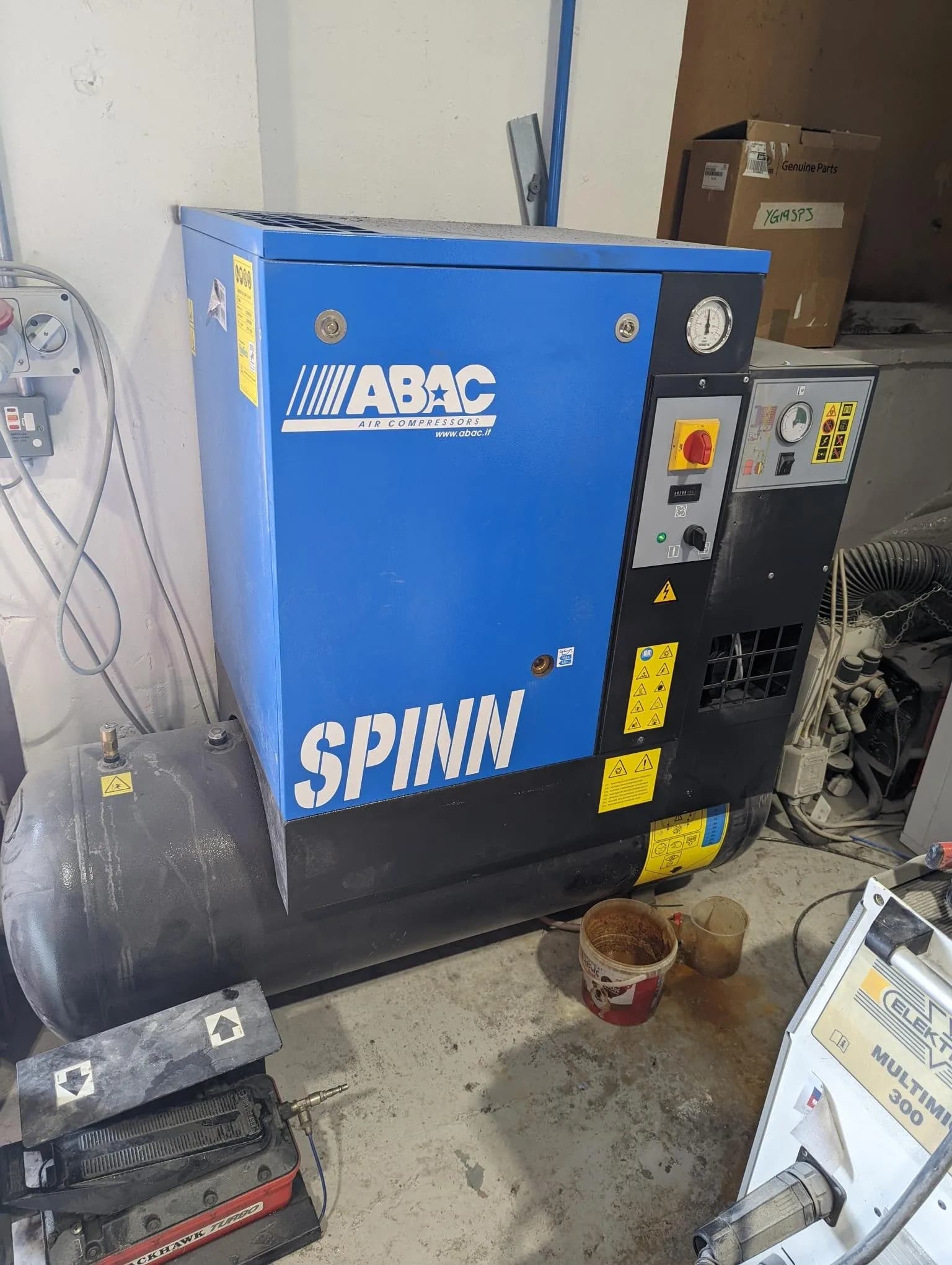
Pressure Systems Safety Regulations 2000PSSR 2000 applies to pressure systems containing a relevant fluid: steam at any pressure, and gases or superheated liquids above 0.5 bar. In practice that covers air receivers and compressed air systems, steam boilers and their fittings, autoclaves, and the pipework and protective devices attached to them. Safety valves and pressure gauges are usually examined more often than the vessels they protect. Safe-Lee examines the system against its written scheme, and drafts or reviews the scheme itself where one does not exist or no longer reflects the plant. Reports state what was examined, any defects with the timescale for putting them right, and the date the next examination falls due.
PSSR at a glance
The facts that decide what you need and when, in one place.
| Governing regulation | Pressure Systems Safety Regulations 2000, regulations 8 and 9 |
|---|---|
| Interval | Set by the written scheme of examination, not by a fixed statutory period. Protective devices are commonly annual, vessels every 2 to 4 years |
| Precondition | A pressure system may not lawfully be operated without a current written scheme drawn up or certified by a competent person |
| Who must arrange it | The user of an installed system, or the owner of a mobile one |
| Who may carry it out | A competent person, whose required level of expertise scales with the system's hazard |
| What you receive | A report of examination against the written scheme, with any remedial timescales and the next due date |
| Typical report turnaround | 1 to 2 working days |
What Pressure Systems Safety Regulations 2000 requires of you
Under the Pressure Systems Safety Regulations 2000, employers and duty holders are legally required to ensure equipment is thoroughly examined by a competent person at regular intervals. Failure to comply can result in significant fines, enforcement action, and, most importantly, puts your workforce at serious risk.
Pressure Systems Safety Regulations 2000 compliance is not optional
Our PSSR Inspections Process
Every PSSR Inspections follows the same five steps, from the first conversation about what you have on site to the report landing in your inbox. Knowing the sequence matters because two of the steps need something from you: agreeing the scope at the start, and giving the engineer safe access on the day. The rest is ours to carry.
- 1
Initial Consultation
We talk through what equipment you hold, how it is used and which regulations bite on it. That conversation sets the scope, and it is what makes a quote a real figure rather than a guess.
- 2
Site Survey
An engineer visits to confirm what is actually on site against what was described, and to identify anything needing immediate attention. Sites often hold more equipment than the office records show, and this is where that surfaces.
- 3
Thorough Examination
The examination itself is hands-on rather than a walk round, carried out to the standard the relevant regulation sets. Each item is assessed on its own and recorded individually, including accessories stored away from the machine.
- 4
Report & Recommendations
You receive a written report identifying every defect found, classified by how urgently it must be put right, with the date the next examination falls due. Anything dangerous is raised with you on site the same day rather than held back for the paperwork.
- 5
Ongoing Support
Once the first examination is done we hold the due dates and flag them before they lapse. Most compliance failures are diary failures rather than equipment failures, so that is the part worth automating.
What a PSSR costs, and what moves the figure
We do not publish a flat rate, because PSSR work is scoped to your equipment and site and any single figure would be wrong for most readers. Here is what we price on, what a complete quote covers, and how to judge one quote against another, so you can budget before you speak to anyone.
What moves the price
- The system, not the item. A single air receiver is quick; a steam plant with multiple vessels, pipework and protective devices is not
- Whether a written scheme of examination already exists. Drafting one is separate work from examining against it
- Number of protective devices. Safety valves and gauges are examined more often than the vessels themselves
- Examination type. An external examination differs in scope and time from an internal one requiring shutdown and cleaning
- Access and isolation. Shutdown, draining, cooling and safe handover all take time and often have to be scheduled around production
- Location and travel, and whether other statutory work can be bundled into the same visit
What a complete quote should cover
- The competent person's time on site, examining to the standard the regulations require
- A written report identifying any defects and classifying them by how urgently they must be addressed
- The date the next examination falls due
- Certification you can show an HSE inspector or your insurer
- Travel to your site
- Confirmation that the examination was carried out against the current written scheme
If a quote does not spell these out, ask. The report is the part that proves compliance; an examination with no usable report leaves you no better off than before.
How to compare quotes fairly
Ask every firm the same questions, including us. A cheaper quote usually differs on one of these rather than on the work itself.
| Compare on | Safe-Lee |
|---|---|
| Who carries out the examination, and what qualifications and competent-person status they hold | Stated in writing |
| Whether they hold professional indemnity and public liability insurance | Stated in writing |
| Whether they are independent of the equipment's supply, hire and maintenance | Stated in writing |
| Exactly what is included, in writing, with a sample report | Stated in writing |
| How quickly the report is issued after the visit | Stated in writing |
| Whether drafting or reviewing the written scheme of examination is included or quoted separately | Stated in writing |
Are Safe-Lee PSSR inspections right for you?
We would rather tell you now than after you have booked. Below is who we are a good fit for, who we are not, what this service does not cover, and what else you could do instead, including options we do not sell. Statutory examination is a legal duty rather than a purchase, so the useful question is not whether you need it but whether we are the right people to do it for you.
We are a good fit if
- You are the duty holder or employer responsible for arranging statutory examination
- Your site is in Greater Manchester, Merseyside, Lancashire, Cheshire or the surrounding North West
- You want the examination done by someone with no commercial interest in the equipment staying in service
- You operate steam boilers, air receivers, autoclaves, compressed air systems or associated pipework and protective devices
We are not the right choice if
- You need the equipment repaired, serviced or maintained. We examine and report, and we do not carry out remedial work
- You need a single provider to cover many sites across the UK on the same day. We are a small independent practice, not a national network
- You need 24/7 emergency callout. Work is scheduled, including out of hours where that avoids disrupting production
- Your system needs non-destructive testing or a pressure test as part of the examination. That is specialist work we would tell you to commission separately
What this service does not cover
- Repair, servicing, maintenance or refurbishment of the equipment examined
- Supply, hire or sale of equipment or spare parts
- Any work that would compromise our independence as the examining body
- Non-destructive testing, hydraulic pressure testing and internal cleaning ahead of an internal examination
What else you could do instead
- Your insurer's engineer surveyor scheme
- Check your own policy before buying inspection twice: some cover arranges statutory inspection for lifting and pressure equipment, and where yours does, it is a genuine alternative and for some businesses the right one.
- A national inspection body
- If you have many sites across the UK, or need round-the-clock cover, a large provider will suit you better than we will.
- An in-house competent person
- If you employ someone with the right knowledge and experience who is genuinely independent of the equipment's operation and maintenance, they can carry out the examination themselves.
What we need from you
Having these ready shortens the visit and keeps the quote accurate.
- A list of the equipment to be examined, with identification or serial numbers where they exist
- Previous reports or certificates, if you have them, so we can see the history and the next due dates
- Safe access to each item, including any isolation, permits or escorts your site requires
- Someone available who can operate the equipment if a functional check is needed
- The current written scheme of examination, if one exists. If it does not, drafting it is the first job, not the examination
- The system depressurised, isolated, drained and cooled where an internal examination is due
What Our Clients Say
“Lee is a fantastic engineer and very approachable. He delivers examinations with minimal disterbance to your operations in a timely manner. If you need or are unsure if your equipment requires a examination, contact Lee and he will guide you through the process of becoming and staying compliant.”
Lee Stanaway
Reviewed on Google
“Brilliant company! Can’t recommend Lee enough. Great communication throughout and speedy reporting to ensure kit is compliant with LOLER and PUWER.”
Thomas Bullivant
Reviewed on Google
“Great service, very knowledgeable regarding my lifting equipment. If you’re needing a LOLER examination carried out, get on to safe Lee!!”
Sean Crawford
Reviewed on Google
Frequently Asked Questions
What does a PSSR inspection involve?
A PSSR inspection involves a thorough examination of pressure systems including vessels, pipework, protective devices, and associated fittings. Our competent engineer assesses the physical condition, checks for corrosion, damage or defects, verifies safety devices are functioning correctly, and ensures the written scheme of examination is up to date.
How often is a PSSR inspection required?
The frequency of PSSR inspections is determined by the written scheme of examination, which must be drawn up by a competent person. Typically, protective devices are examined annually and pressure vessels every 2 to 4 years, but this varies depending on the system, its age, and operating conditions.
What equipment does a PSSR inspection cover?
PSSR inspections cover all pressure systems including steam boilers, air receivers, autoclaves, compressed air systems, pressure cookers used in food production, heat exchangers, and any associated pipework and protective devices such as safety valves and pressure gauges.
What happens if a defect is found during a PSSR inspection?
If a defect is found, our engineer will classify it by severity. Critical defects that pose an imminent danger require the equipment to be taken out of service immediately. Other defects will be documented with clear recommendations and timescales for remedial action. A detailed report is issued covering all findings.
Where the PSSR rules come from
Everything on this page is our reading of the following documents. They are the authority, not us, so we link them directly and you can check any of it yourself.
- The Pressure Systems Safety Regulations 2000
legislation.gov.uk
The statutory instrument itself. Regulation 8 is the written scheme of examination duty, regulation 9 the examination.
- Safety of pressure systems (L122)
Health and Safety Executive
The Approved Code of Practice for PSSR, including what a written scheme must specify.
- Pressure systems
Health and Safety Executive
HSE's topic page on pressure system duties and common failures.
Further reading
Plain-English guides to the regulations behind PSSR: what they require, how often, and who can sign it off.
Written Scheme of Examination
A pressure system cannot legally be operated without a current Written Scheme. What one contains, who may draw it up, and how we draft them.
LOLER vs PUWER vs PSSR Explained
PSSR covers the pressure system; PUWER still applies to the equipment around it. Where the boundary sits.
Need PSSR inspections or a quotation?
The short version: if you hold this equipment, examination is a legal duty rather than a choice, the interval is set by the regulation or by your own scheme rather than by us, and the report is the part that proves you complied.
Tell us what you have on site and roughly where it is, and you will get a scoped quote rather than a rate card. If we are not the right people for it, we will say so.
Areas We Cover
Based in Irlam, Manchester, we provide inspection services across Greater Manchester, the North West, and nationwide.
Where we provide PSSR inspections, and what else we examine on the same visit
Safe-Lee works from Irlam in Greater Manchester and covers the North West from that single base, so most sites in the region are within an hour's drive. The county links below open a page for each area we work in regularly.
Most sites need more than one regime. A workshop with a crane, an air receiver and an extraction system falls under LOLER, PSSR and COSHH at the same time, and examining all of it on one planned visit takes less of your time than booking three. The service links below cover the other regimes we examine.