PSSR Inspections in St Helens
St Helens is the historic home of Pilkington Glass, founded in 1826, which remains a major employer. The Greengate Works continues to pioneer hydrogen-fired glass production. The town also has strong logistics and manufacturing sectors.
About PSSR Inspections in St Helens
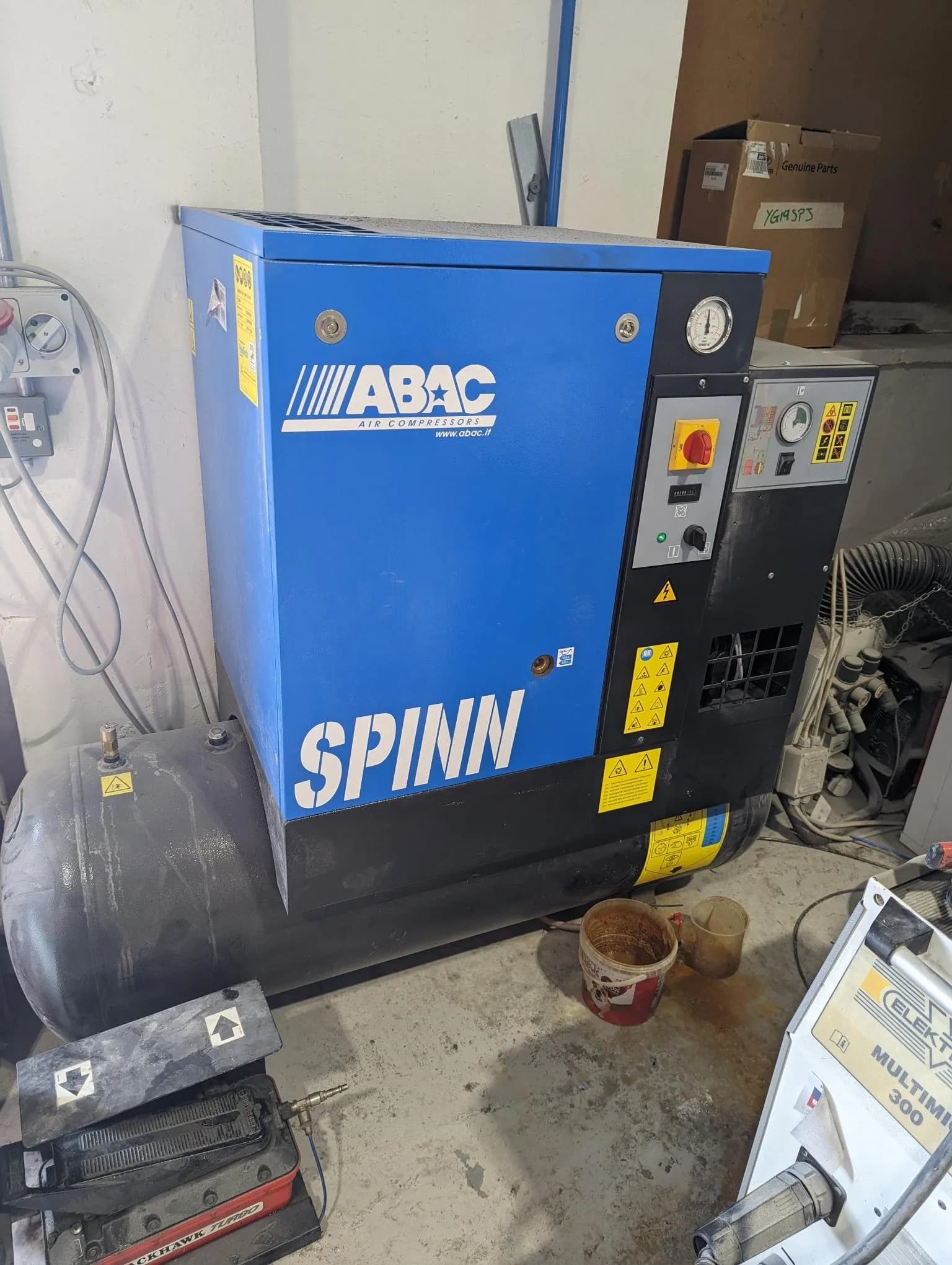
Glassmaking has shaped St Helens for over a century and a half, and the pressurised systems that serve the town's manufacturing base reflect that heritage. The Pilkington Glass works, now part of NSG Group, remains one of the largest employers in the borough, with float glass production relying on high-temperature furnaces supported by compressed air systems, pressurised gas supplies, and steam plant. Across the Ravenhead, Peasley Cross, and Sherdley Road industrial areas, manufacturers, chemical firms, and engineering businesses operate boilers, air receivers, compressors, and pressurised process vessels that fall under the Pressure Systems Safety Regulations 2000. Safe-Lee Inspection & Consultancy provides PSSR inspections throughout St Helens, conducting thorough examinations in accordance with each system's written scheme of examination. The regulations require that any pressure system where a defect could cause danger has a written scheme prepared by a competent person, specifying the parts to be examined, the nature of the examination, and the intervals between examinations. St Helens' industrial base extends well beyond glass. The Haydock Industrial Estate, straddling the borough boundary and the A580 East Lancashire Road, hosts logistics operations, food manufacturers, and light engineering firms using compressed air daily. Whiston Hospital, part of St Helens and Knowsley Teaching Hospitals NHS Trust, operates pressurised sterilisation and heating systems requiring statutory examination. The town's remaining chemical processing firms, a legacy of the alkali industry that once dominated the area, use pressurised reactors and storage vessels that demand careful inspection. Safe-Lee is based in Irlam, a short drive from St Helens via the A580, and we provide responsive, competitively priced PSSR inspections tailored to the needs of St Helens businesses large and small.
Key Areas We Cover
- Pilkington Greengate Works
- Ravenhead Business Park
- Haydock Industrial Estate
- Lea Green Business Park
Local Landmarks
Pilkington Glass headquarters, founded in St Helens in 1826, inventors of the float glass process
Industries Requiring PSSR Inspections in St Helens
We work with businesses of all sizes across a wide range of sectors.
Manufacturing
Pilkington's Greengate Works continues to manufacture flat glass in St Helens, pioneering hydrogen-fired glass production. The furnaces, molten tin baths, and overhead cranes require regular PSSR, LOLER, and PUWER inspections.
Logistics & Warehousing
Haydock Industrial Estate serves as a major distribution hub in the St Helens borough, with occupiers using forklifts, pallet racking, and goods lifts requiring LOLER examinations.
Construction
Redevelopment of former Pilkington sites and new commercial developments at Ravenhead Business Park generate demand for WAHR inspections of scaffolding and work at height equipment.
What Pressure Systems Safety Regulations 2000 requires of you
Under the Pressure Systems Safety Regulations 2000, employers and duty holders are legally required to ensure equipment is thoroughly examined by a competent person at regular intervals. Failure to comply can result in significant fines, enforcement action, and, most importantly, puts your workforce at serious risk.
St Helens is the historic home of Pilkington Glass, founded in 1826, which remains a major employer. The Greengate Works continues to pioneer hydrogen-fired glass production. The town also has strong logistics and manufacturing sectors.
Pressure Systems Safety Regulations 2000 compliance is not optional
Frequently Asked Questions
What inspections does a glass manufacturing operation like Pilkington need?
Glass manufacturing operations like Pilkington's Greengate Works in St Helens require extensive statutory inspections: PSSR examinations for furnace pressure systems and molten tin bath equipment, LOLER thorough examinations for overhead cranes and lifting gear, PUWER inspections for cutting and handling machinery, and LEV testing for any fume extraction systems in the production environment.
What does a PSSR inspection involve?
A PSSR inspection involves a thorough examination of pressure systems including vessels, pipework, protective devices, and associated fittings. Our competent engineer assesses the physical condition, checks for corrosion, damage or defects, verifies safety devices are functioning correctly, and ensures the written scheme of examination is up to date.
How often is a PSSR inspection required?
The frequency of PSSR inspections is determined by the written scheme of examination, which must be drawn up by a competent person. Typically, protective devices are examined annually and pressure vessels every 2 to 4 years, but this varies depending on the system, its age, and operating conditions.
What equipment does a PSSR inspection cover?
PSSR inspections cover all pressure systems including steam boilers, air receivers, autoclaves, compressed air systems, pressure cookers used in food production, heat exchangers, and any associated pipework and protective devices such as safety valves and pressure gauges.
What happens if a defect is found during a PSSR inspection?
If a defect is found, our engineer will classify it by severity. Critical defects that pose an imminent danger require the equipment to be taken out of service immediately. Other defects will be documented with clear recommendations and timescales for remedial action. A detailed report is issued covering all findings.
Our PSSR Inspections Process
How we work with PSSR Inspections clients across St Helens: from first contact to ongoing compliance.
- 1
Initial Consultation
We talk through what equipment you hold, how it is used and which regulations bite on it. That conversation sets the scope, and it is what makes a quote a real figure rather than a guess.
- 2
Site Survey
An engineer visits to confirm what is actually on site against what was described, and to identify anything needing immediate attention. Sites often hold more equipment than the office records show, and this is where that surfaces.
- 3
Thorough Examination
The examination itself is hands-on rather than a walk round, carried out to the standard the relevant regulation sets. Each item is assessed on its own and recorded individually, including accessories stored away from the machine.
- 4
Report & Recommendations
You receive a written report identifying every defect found, classified by how urgently it must be put right, with the date the next examination falls due. Anything dangerous is raised with you on site the same day rather than held back for the paperwork.
- 5
Ongoing Support
Once the first examination is done we hold the due dates and flag them before they lapse. Most compliance failures are diary failures rather than equipment failures, so that is the part worth automating.
What Our Clients Say
“Lee is a fantastic engineer and very approachable. He delivers examinations with minimal disturbance to your operations in a timely manner. If you need or are unsure if your equipment requires an examination, contact Lee and he will guide you through the process of becoming and staying compliant.”
Lee Stanaway
Reviewed on Google
“Brilliant company! Can't recommend Lee enough. Great communication throughout and speedy reporting to ensure kit is compliant with LOLER and PUWER.”
Thomas Bullivant
Reviewed on Google
“Great service, very knowledgeable regarding my lifting equipment. If you're needing a LOLER examination carried out, get on to Safe Lee!”
Sean Crawford
Reviewed on Google
PSSR Inspections in Nearby Areas
We also provide pssr inspections services in these nearby locations.
Other Services in St Helens
Need PSSR Inspections in St Helens?
Speak to our experienced engineers today for a free, no-obligation quote.