LEV Testing in Stoke-on-Trent
Stoke-on-Trent is the World Capital of Ceramics, awarded UNESCO World Craft City status in 2024. Major pottery brands including Wedgwood, Emma Bridgewater, Portmeirion, and Burleigh still manufacture here. Etruria Valley and the surrounding six towns retain a concentrated ceramics and manufacturing cluster.
About LEV Testing in Stoke-on-Trent
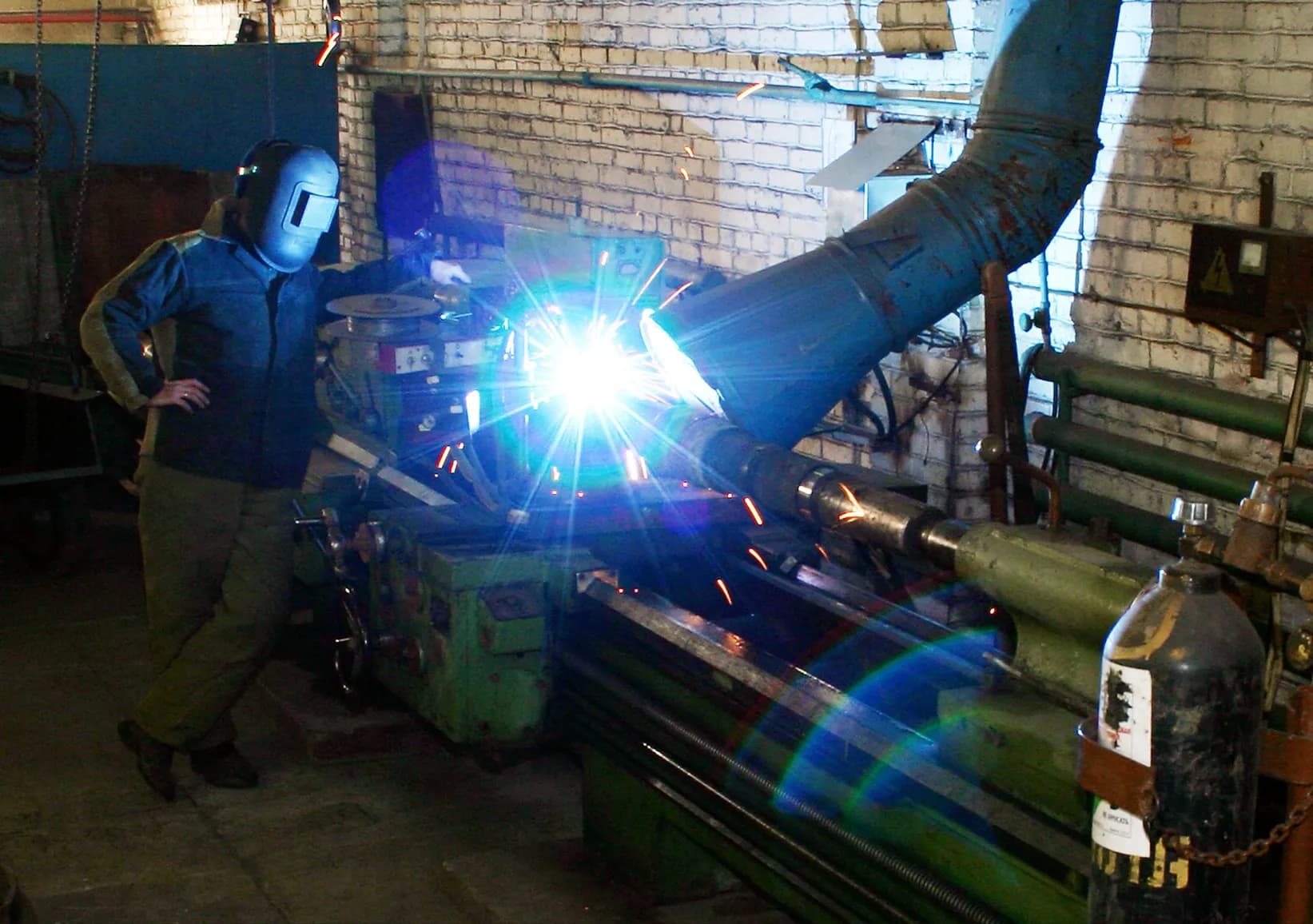
Stoke-on-Trent's ceramics industry creates some of the most demanding local exhaust ventilation requirements in the country. Silica dust, generated during clay preparation, mould making, fettling, and glazing at pottery manufacturers including Wedgwood, Emma Bridgewater, Portmeirion, and Burleigh, is classified as a substance causing serious lung disease and lung cancer, making effective LEV absolutely critical. The Control of Substances Hazardous to Health Regulations 2002 require that every LEV system is thoroughly examined and tested at least every fourteen months, and Safe-Lee Inspection & Consultancy provides this statutory testing across all six towns of Stoke-on-Trent. The pottery industry relies on dust extraction at clay mixing stations, sanding and fettling benches, spray glazing booths, and kiln loading areas. Beyond ceramics, Etruria Valley, Festival Park, Sideway Industrial Estate, Burslem Business Park, and Tunstall Industrial Area host engineering workshops generating welding fumes and grinding dust, woodworking firms with dust extraction on every machine, and food producers with flour dust and cooking fume extraction requirements. Vehicle body repair shops across the city operate spray booths where isocyanate paint fume extraction must maintain precise airflow to prevent occupational asthma. Our engineers test every LEV system from capture point to discharge, measuring face velocities at extraction hoods, assessing hood design against the process served, inspecting ductwork for leaks and blockages, checking filter condition and pressure differential, and verifying fan performance. In the ceramics sector especially, we assess whether extraction systems are adequate for the specific silica-generating processes they serve, as changes to production methods can render previously adequate LEV ineffective. Safe-Lee Inspection & Consultancy is based in Irlam and reaches Stoke-on-Trent via the M6, providing detailed statutory examination reports and practical remediation guidance to a city where effective LEV can quite literally save lives.
Key Areas We Cover
- Etruria Valley
- Festival Park
- Sideway Industrial Estate
- Burslem Business Park
- Tunstall Industrial Area
Local Landmarks
Etruria Industrial Museum, preserved steam-powered pottery works, commemorating Josiah Wedgwood's industrial legacy
What Control of Substances Hazardous to Health Regulations 2002 requires of you
Under the Control of Substances Hazardous to Health Regulations 2002, employers and duty holders are legally required to ensure equipment is thoroughly examined by a competent person at regular intervals. Failure to comply can result in significant fines, enforcement action, and, most importantly, puts your workforce at serious risk.
Stoke-on-Trent is the World Capital of Ceramics, awarded UNESCO World Craft City status in 2024. Major pottery brands including Wedgwood, Emma Bridgewater, Portmeirion, and Burleigh still manufacture here. Etruria Valley and the surrounding six towns retain a concentrated ceramics and manufacturing cluster.
Control of Substances Hazardous to Health Regulations 2002 compliance is not optional
Our LEV Testing Process
How we work with LEV Testing clients across Stoke-on-Trent: from first contact to ongoing compliance.
- 1
Initial Consultation
We talk through what equipment you hold, how it is used and which regulations bite on it. That conversation sets the scope, and it is what makes a quote a real figure rather than a guess.
- 2
Site Survey
An engineer visits to confirm what is actually on site against what was described, and to identify anything needing immediate attention. Sites often hold more equipment than the office records show, and this is where that surfaces.
- 3
Thorough Examination
The examination itself is hands-on rather than a walk round, carried out to the standard the relevant regulation sets. Each item is assessed on its own and recorded individually, including accessories stored away from the machine.
- 4
Report & Recommendations
You receive a written report identifying every defect found, classified by how urgently it must be put right, with the date the next examination falls due. Anything dangerous is raised with you on site the same day rather than held back for the paperwork.
- 5
Ongoing Support
Once the first examination is done we hold the due dates and flag them before they lapse. Most compliance failures are diary failures rather than equipment failures, so that is the part worth automating.
Industries Requiring LEV Testing in Stoke-on-Trent
We work with businesses of all sizes across a wide range of sectors.
Manufacturing
Stoke-on-Trent, the World Capital of Ceramics, is home to Wedgwood, Portmeirion, Emma Bridgewater, and Burleigh, all operating kilns, compressed air systems, and glaze-handling equipment requiring PSSR, PUWER, and COSHH LEV inspections.
Food & Beverage
Stoke-on-Trent's food manufacturing sector operates from industrial estates around Festival Park and Sideway, using steam boilers, pressure cookers, and extraction ventilation requiring PSSR and COSHH LEV inspections.
Construction
The regeneration of former pottery sites including the Spode Works creative village and Etruria Valley redevelopment generate demand for WAHR inspections of scaffolding and fall protection systems.
Logistics & Warehousing
Distribution centres around the A500 corridor and Festival Park use forklifts, goods lifts, and pallet racking systems requiring regular LOLER and PUWER inspections.
Frequently Asked Questions
What LEV testing is required for silica dust extraction at a Stoke-on-Trent pottery manufacturer?
Under COSHH 2002, any LEV system used to control silica dust at a Stoke-on-Trent ceramics manufacturer, including clay preparation areas, glaze mixing rooms, and kiln loading zones, must be thoroughly examined and tested by a competent person at least every 14 months. Silica dust is classified by the HSE as a Group 1 carcinogen, making it one of the highest-priority substances for LEV compliance. The examination must verify capture velocity at each hood, measure airflow through the system, check duct condition and integrity, test fan performance, and confirm filter condition. An extraction system that was adequate at installation may fail to meet design parameters due to duct blockage, hood repositioning, or filter saturation, making the 14-month examination a genuine protection measure, not a box-ticking exercise.
Does a spray glazing booth at a Stoke-on-Trent ceramics manufacturer need LEV testing under COSHH?
Yes. Spray glazing booths at Stoke-on-Trent ceramics manufacturers must be thoroughly examined and tested at least every 14 months under COSHH 2002. Where glaze spraying uses substances containing heavy metals, including lead or barium compounds used in some specialist glazes, the HSE treats these as higher-risk processes, and the examination should verify that the booth maintains its design face velocity across the full working opening. The examination must also confirm that the recirculation or discharge filter is in good condition and that the airflow is sufficient to prevent glaze mist from reaching the operator's breathing zone. Safe-Lee provides LEV testing for ceramics manufacturers across Stoke-on-Trent.
Do fettling and clay-turning areas at Stoke-on-Trent potteries need LEV testing?
Yes. Fettling, turning, and finishing operations at Stoke-on-Trent pottery manufacturers generate respirable silica dust, one of the most hazardous dust fractions under COSHH 2002. Any LEV system controlling dust from these operations must be thoroughly examined and tested at least every 14 months. This includes downdraft benches, hood-equipped turning lathes, and centralised duct systems capturing dust from multiple workstations. The examination must assess whether the LEV is achieving adequate capture at each dust generation point, which requires measurement of capture velocity at the dust source, not just measurement of duct velocity at a convenient access point.
What does a COSHH LEV inspection involve?
A COSHH LEV inspection involves a thorough examination and test of your local exhaust ventilation system. This includes visual inspection of ductwork, hoods, and fans, airflow measurements at capture points, static pressure readings through the system, and checks on filters and discharge points to ensure the system effectively controls hazardous substances.
How often is a COSHH LEV inspection required?
Under COSHH Regulation 9, LEV systems must be thoroughly examined and tested at least every 14 months. Some specific processes have shorter intervals: for example, LEV for certain blasting operations must be examined every month, and spray-painting booths every 6 months. Your system should be examined according to whichever interval applies.
What equipment does a COSHH LEV inspection cover?
COSHH LEV inspections cover all local exhaust ventilation systems including fume cupboards, extraction arms, downdraft benches, spray booth ventilation, dust extraction systems, welding fume extraction, woodworking extraction, and any other system designed to capture and remove airborne contaminants at source.
What Our Clients Say
“Lee is a fantastic engineer and very approachable. He delivers examinations with minimal disturbance to your operations in a timely manner. If you need or are unsure if your equipment requires an examination, contact Lee and he will guide you through the process of becoming and staying compliant.”
Lee Stanaway
Reviewed on Google
“Brilliant company! Can't recommend Lee enough. Great communication throughout and speedy reporting to ensure kit is compliant with LOLER and PUWER.”
Thomas Bullivant
Reviewed on Google
“Great service, very knowledgeable regarding my lifting equipment. If you're needing a LOLER examination carried out, get on to Safe Lee!”
Sean Crawford
Reviewed on Google
LEV Testing in Nearby Areas
We also provide lev testing services in these nearby locations.
Other Services in Stoke-on-Trent
Need LEV Testing in Stoke-on-Trent?
Speak to our experienced engineers today for a free, no-obligation quote.