WAHR Inspections in Barrow-in-Furness
Barrow-in-Furness is dominated by BAE Systems Submarines, which is the town's largest employer with 14,500 workers, roughly one-third of the working-age population. The shipyard builds all of the Royal Navy's nuclear submarines including the Astute-class, Dreadnought-class, and SSN-AUKUS programmes.
About WAHR Inspections in Barrow-in-Furness
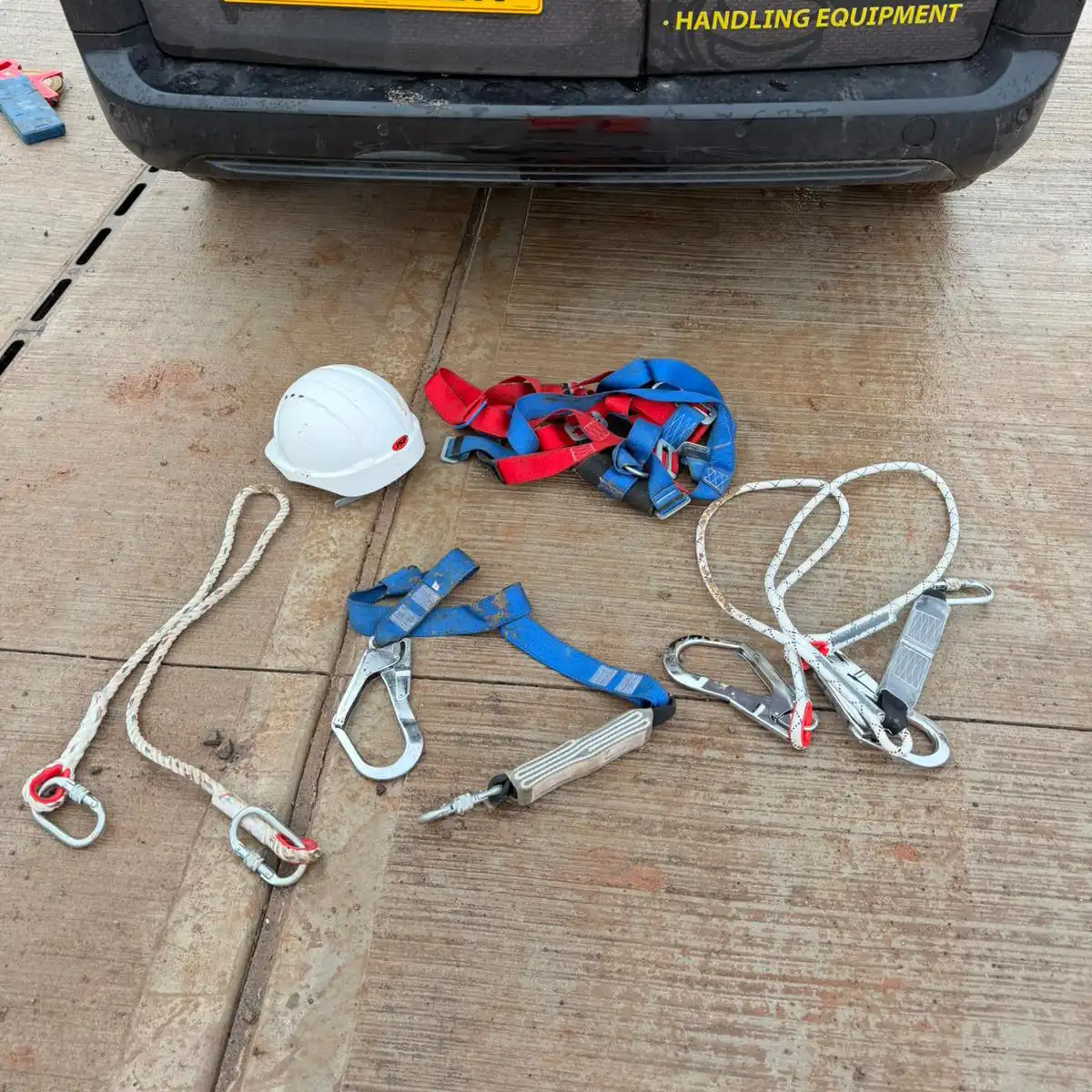
The combination of heavy maritime construction, major infrastructure development, and industrial building maintenance in Barrow-in-Furness creates extensive work at height requirements governed by the Work at Height Regulations 2005. Safe-Lee Inspection & Consultancy provides WAHR inspections across Barrow, examining the equipment that protects workers from falls in settings from the shipyard supply chain to commercial property maintenance. The engineering and fabrication workshops on Waterfront Business Park and throughout Channelside Industrial Area contain mezzanine floors, elevated crane gantries, and high-level storage areas where guardrail systems, access ladders, and edge protection must be maintained in safe condition. The massive construction programme transforming Barrow, driven by over one billion pounds of recent investment linked to the submarine programme, generates substantial scaffolding demand on development sites across the town, and our engineers inspect these structures against TG20 and SG4 standards, assessing structural adequacy, tie arrangements, board condition, and access provisions. Scaffolding on Barrow's commercial and residential buildings, including properties in the town centre and along Abbey Road, requires inspection for facade maintenance, re-roofing, and renovation work. Personal fall protection equipment is examined for webbing condition, stitching integrity, hardware function, and remaining service life. Harnesses, lanyards, self-retracting lifelines, and anchor devices that show signs of wear, contamination, or have exceeded manufacturer service life limits are recommended for immediate removal from use. Mobile elevated work platforms are widely deployed across Barrow's industrial and construction sites, and we inspect these for structural condition, control function, and safety device operation. Rooftop maintenance on industrial buildings, including the extensive premises around the dockyard area, requires inspected fall arrest equipment and properly installed anchor systems. Ladder inspections remain important for Barrow's maintenance and trade contractors. Safe-Lee reaches Barrow-in-Furness from our Irlam base via the M6, providing thorough WAHR documentation with practical recommendations for this vital industrial centre.
Key Areas We Cover
- BAE Systems Submarine Shipyard
- Devonshire Dock Hall
- Waterfront Business Park
- Channelside Industrial Area
Local Landmarks
BAE Systems Devonshire Dock Hall, the UK's sole nuclear submarine construction facility, with £1 billion of recent investment
Frequently Asked Questions
What WAHR inspection requirements apply to scaffolding used during submarine construction at BAE Barrow?
Scaffolding erected within the submarine construction halls at BAE Barrow, including the Devonshire Dock Hall, and at any other construction or maintenance site in Barrow-in-Furness must comply with the Work at Height Regulations 2005. All scaffolding must be inspected before first use by a competent person, after any event likely to have affected its integrity, and at intervals not exceeding 7 days while it remains in use. Given the scale and complexity of submarine construction scaffolding, often spanning multiple decks at significant heights, thorough inspection records are essential for both WAHR compliance and BAE's internal safety management systems. Safe-Lee provides WAHR scaffolding inspections for construction and industrial sites across the Barrow area.
How often do mobile elevated work platforms at Barrow construction and shipyard sites need WAHR inspections?
Mobile elevated work platforms (MEWPs) at BAE Barrow and across Barrow-in-Furness construction sites must be thoroughly examined under LOLER 1998 every 6 months, as equipment capable of lifting people. Under WAHR 2005, pre-use checks must also be completed before each use by a competent operator. The two sets of obligations apply concurrently. LOLER governs the mechanical integrity of the MEWP itself, while WAHR 2005 governs the management of the work at height activity. Safe-Lee provides both LOLER and WAHR inspection services across the Barrow-in-Furness and Cumbria area.
Are safety harnesses and lanyards on Team Barrow regeneration construction sites subject to WAHR inspection?
Yes. Safety harnesses, energy-absorbing lanyards, inertia reels, and anchor points used on Team Barrow regeneration construction sites and at BAE Systems facilities must be inspected in accordance with Work at Height Regulations 2005. Equipment must be checked before each use by the person who will wear it, and must receive a formal detailed inspection by a competent person at intervals determined by the manufacturer's instructions and the intensity of use, typically every 6 to 12 months. Any harness or lanyard that has been subjected to a fall arrest must be removed from service immediately and inspected before any return to use, regardless of its apparent condition.
What does a WAHR inspection involve?
A WAHR inspection involves examining all work at height equipment for defects, damage, and suitability. This includes checking structural integrity, testing safety mechanisms, verifying correct assembly, and ensuring equipment meets the requirements of the Work at Height Regulations 2005.
How often is a WAHR inspection required?
Work at height equipment must be inspected before each use by the user, and must undergo a formal inspection by a competent person at regular intervals. The frequency depends on the type of equipment and the conditions of use, scaffolding requires inspection at least every 7 days when in use, while other equipment such as harnesses and lanyards typically require formal examination every 6 to 12 months.
What equipment does a WAHR inspection cover?
WAHR inspections cover scaffolding, mobile elevated work platforms (MEWPs), ladders, stepladders, roof ladders, safety harnesses, lanyards, fall arrest systems, guardrails, safety nets, and any other equipment used to prevent or mitigate falls from height.
Industries Requiring WAHR Inspections in Barrow-in-Furness
We work with businesses of all sizes across a wide range of sectors.
Maritime
BAE Systems Submarines employs 14,500 people at Barrow, building all Royal Navy nuclear submarines including Astute-class, Dreadnought-class, and SSN-AUKUS boats. The Devonshire Dock Hall operates heavy-lift cranes, pressure testing equipment, and reactor components requiring comprehensive LOLER, PSSR, and PUWER inspections.
Manufacturing
The submarine supply chain in Barrow supports engineering firms manufacturing precision components, pipes, and structural assemblies using CNC machines, welding equipment, and pressure testing rigs requiring PUWER, PSSR, and COSHH LEV inspections.
Construction
Team Barrow's £220M programme to overhaul housing, transport, and infrastructure, alongside £1 billion of BAE Systems site investment, generates major demand for WAHR inspections of scaffolding, tower cranes, and work at height equipment.
Our WAHR Inspections Process
How we work with WAHR Inspections clients across Barrow-in-Furness: from first contact to ongoing compliance.
- 1
Initial Consultation
We talk through what equipment you hold, how it is used and which regulations bite on it. That conversation sets the scope, and it is what makes a quote a real figure rather than a guess.
- 2
Site Survey
An engineer visits to confirm what is actually on site against what was described, and to identify anything needing immediate attention. Sites often hold more equipment than the office records show, and this is where that surfaces.
- 3
Thorough Examination
The examination itself is hands-on rather than a walk round, carried out to the standard the relevant regulation sets. Each item is assessed on its own and recorded individually, including accessories stored away from the machine.
- 4
Report & Recommendations
You receive a written report identifying every defect found, classified by how urgently it must be put right, with the date the next examination falls due. Anything dangerous is raised with you on site the same day rather than held back for the paperwork.
- 5
Ongoing Support
Once the first examination is done we hold the due dates and flag them before they lapse. Most compliance failures are diary failures rather than equipment failures, so that is the part worth automating.
What Work at Height Regulations 2005 requires of you
Under the Work at Height Regulations 2005, employers and duty holders are legally required to ensure equipment is thoroughly examined by a competent person at regular intervals. Failure to comply can result in significant fines, enforcement action, and, most importantly, puts your workforce at serious risk.
Barrow-in-Furness is dominated by BAE Systems Submarines, which is the town's largest employer with 14,500 workers, roughly one-third of the working-age population. The shipyard builds all of the Royal Navy's nuclear submarines including the Astute-class, Dreadnought-class, and SSN-AUKUS programmes.
Work at Height Regulations 2005 compliance is not optional
What Our Clients Say
“Lee is a fantastic engineer and very approachable. He delivers examinations with minimal disturbance to your operations in a timely manner. If you need or are unsure if your equipment requires an examination, contact Lee and he will guide you through the process of becoming and staying compliant.”
Lee Stanaway
Reviewed on Google
“Brilliant company! Can't recommend Lee enough. Great communication throughout and speedy reporting to ensure kit is compliant with LOLER and PUWER.”
Thomas Bullivant
Reviewed on Google
“Great service, very knowledgeable regarding my lifting equipment. If you're needing a LOLER examination carried out, get on to Safe Lee!”
Sean Crawford
Reviewed on Google
WAHR Inspections in Nearby Areas
We also provide wahr inspections services in these nearby locations.
Other Services in Barrow-in-Furness
Need WAHR Inspections in Barrow-in-Furness?
Speak to our experienced engineers today for a free, no-obligation quote.